If you own a saltwater pool—or are considering switching to one—you’ve likely heard about their reputation for being low-maintenance and gentle on skin and eyes. And it’s true: saltwater pools provide a smoother, more natural swimming experience with fewer harsh chemicals.
Keeping your salt system performing at its best does require regular attention. This guide is designed to walk you through exactly what to do—and when—based on Galaxy’s official Salt System Maintenance recommendations. Whether you’re opening for the season, managing weekly upkeep, or preparing to close, we’ve broken it all down clearly and simply.
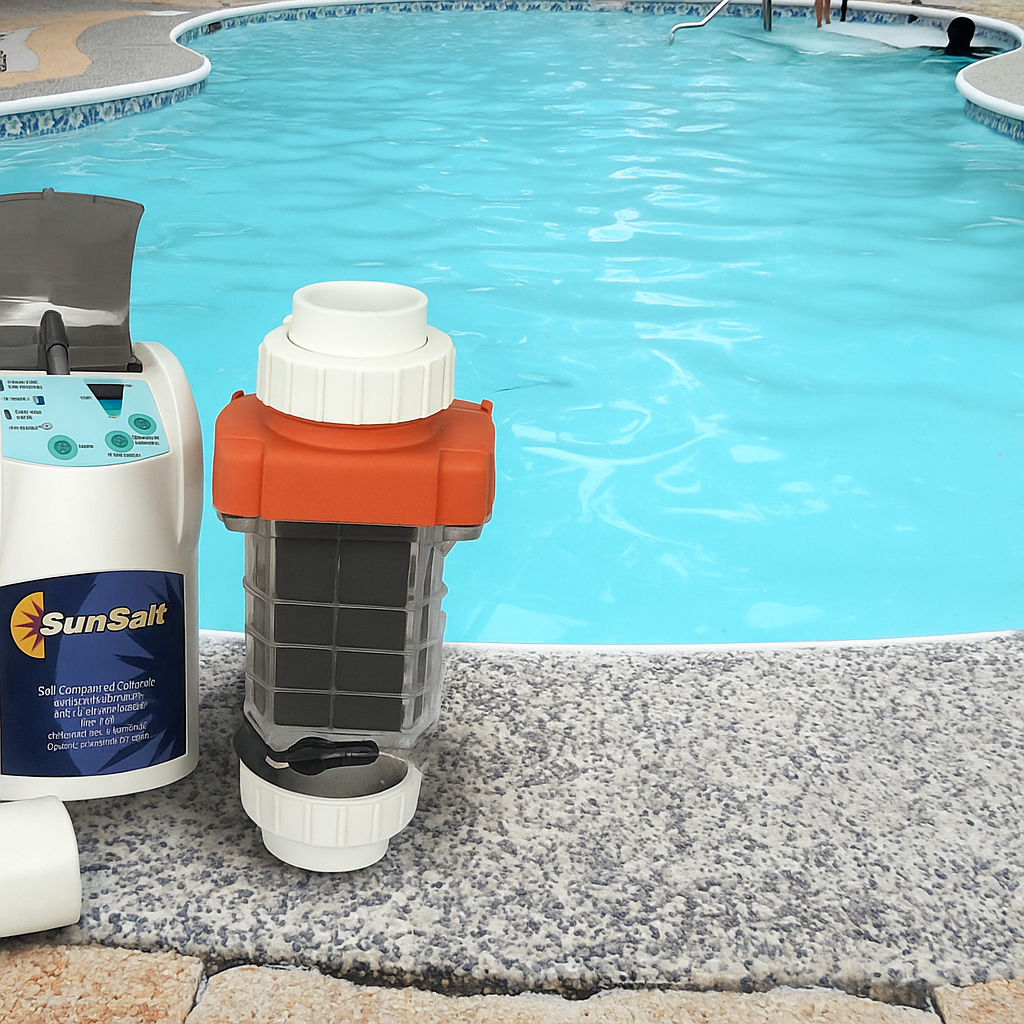
Why Proper Salt System Maintenance Matters. Your saltwater pool works by converting salt into chlorine using a salt chlorine generator (SCG), giving you steady, consistent sanitation without having to manually dose your pool every day. It’s efficient and cost-effective—but only if the water stays properly balanced and the system stays clean. Neglecting your salt system can lead to: cloudy or green water, low chlorine production, build-up on the salt cell, damage to pool equipment, and unexpected maintenance costs. With a clear plan and the right products, it’s easy to stay ahead of these issues.
Pool Opening (Start of Season)
Before You Begin:
Have a our friendly water care specialists analyze your water sample any of our Galaxy showrooms.
Make sure all your pool equipment is in good working order.
Remove debris and vacuum your pool.
If it’s your 2nd or more swim season, remember to backwash your sand filter or replace your filter cartridge.
Tip: Even if you haven’t added salt before, it’s possible your water already contains trace amounts. Use a salt test strip—or let a Galaxy technician test it—to determine how much AquaSalt you’ll need to bring your levels up to the target 3,500 ppm.
1. Test and Balance Your Water:
Alkalinity: 50–90 ppm
pH: 7.2–7.6
Calcium Hardness: 100–400 ppm
Stabilizer (CYA): 30-50 ppm
2. Run Your Filter:
Run your pump and filter continuously for the first 24 hours. It’s recommended that your run your filter continuously throughout the swim season.
Why Run Your Pump Continuously? To evenly distribute chemicals and efficiently filter your water, run your pump 24 hours daily during swim season. Continuous filtration keeps your water crystal clear and reduces chemical expenses.
Use the dosage chart on your AquaSalt bag to determine the amount of salt to add.
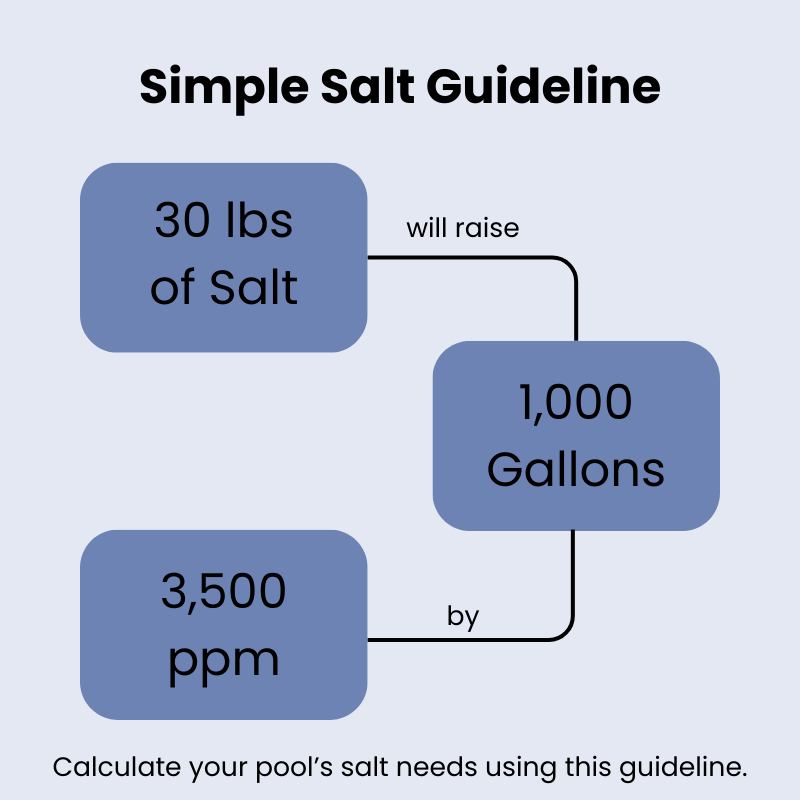
General Guideline: 30 lbs of salt per 1,000 gallons will raise levels to 3,500 ppm. If you have a 10,000 gallon pool and a salt level of 0 ppm, you will need 300 lbs of salt to get to 3,500 ppm.
After adding all your chemicals and salt, run your filter for 24 hours.
When Can I Swim? It can take anywhere from 12-24 hours to be ready to swim. When in doubt, test your chlorine levels for a safe-swimming level between 2-5 ppm.
Weekly Maintenance (or After Rain or Heavy Use)
1. Test and Balance Your Water
Free Chlorine: 1-3 ppm
pH: 7.2-7.6
2. Adjust as Needed
Use “SuperChlor” mode on your SCG to quickly raise chlorine after increased swimmer load or storms. This setting boosts chlorine output to 100% for 24 hours—essentially functioning as a shock cycle.
Adding Salt for Smaller Adjustments. One 40 lb bag of pool salt will raise the level in a 10,000-gallon pool by approximately 500 ppm. So if you have a 10,000-gallon pool and your salt level is 3,200 ppm, you’ll want to add 24 lbs of salt to your pool to reach 3,500 ppm.Using the same rule of thumb, you can calculate how much a 40lb bag of salt will increase any pool volume by 5,000,000 by your pool volume in gallons.
Salt Cell Maintenance & Cleaning
To maintain strong chlorine production, your salt cell needs regular cleaning—every 3 to 4 months, or more often if calcium buildup is visible.
How to Clean a Salt Cell:
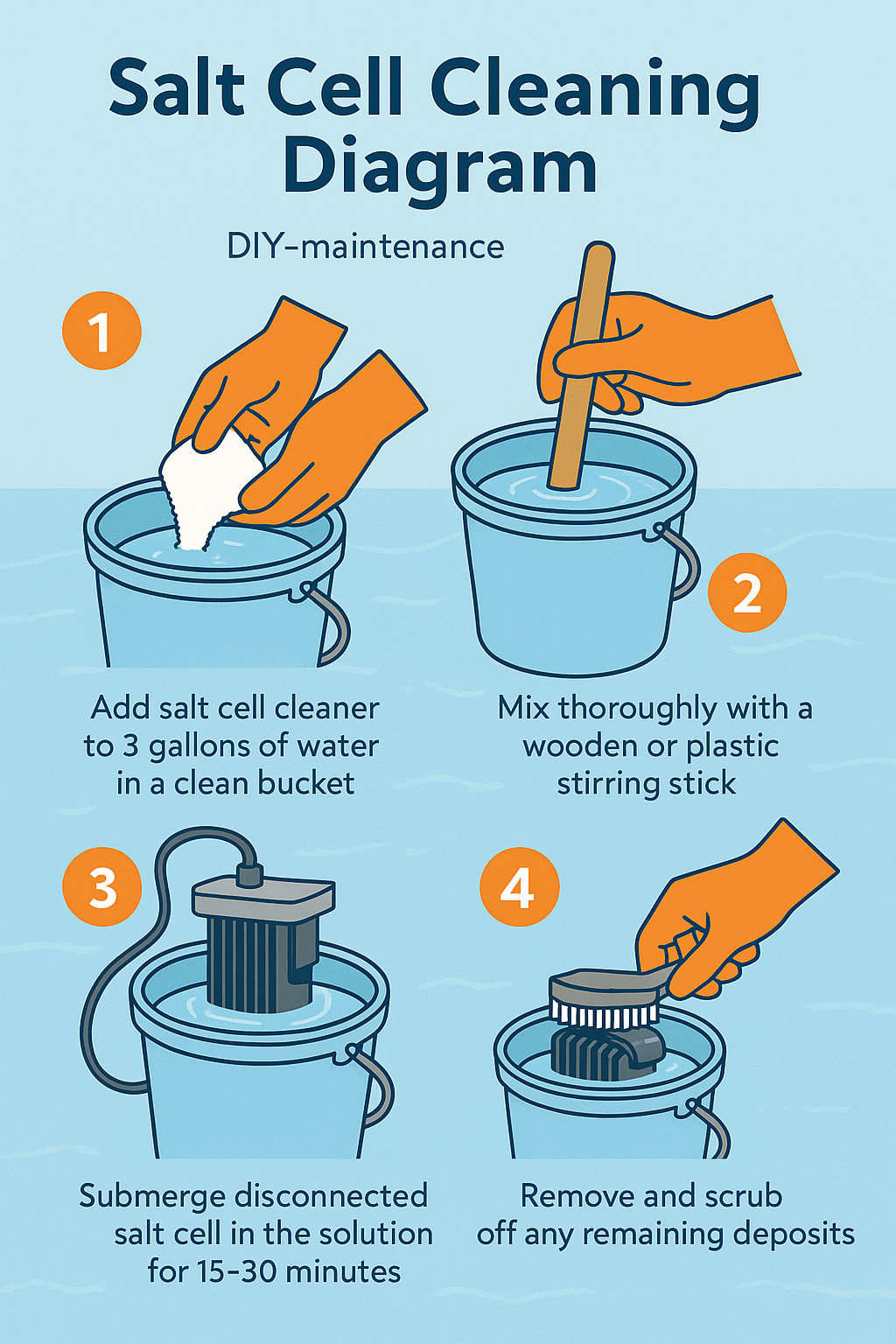
Disconnect the salt cell from its control box.
In a clean plastic bucket, combine 1 lb of Salt Cell Cleaner with 3 gallons of fresh water. (Never use metal containers and always remember to add chemicals to water, not water to chemicals)
Stir with a plastic or wooden spoon—it’s normal if some product remains undissolved.
Submerge the cell plates in the solution (keep the cord dry).
Soak for 15–30 minutes.
If needed, gently brush any remaining buildup off the plates.
Dispose of used solution down a drain (it’s safe to do so).
Safety Reminder: Always wear gloves and eye protection when handling pool chemicals.
Replacement Cycle:
Salt cells typically last 3–5 years. Regular maintenance helps extend their lifespan and ensures optimal performance.
Pool Closing (End of Season)
1. Test and Balance Your Water
Alkalinity: 50–90 ppm
pH: 7.2–7.8
Calcium Hardness: 100–400 ppm
2. Run Your Filter
Run your filter continuously for 24 hours.
3. Add Chemicals
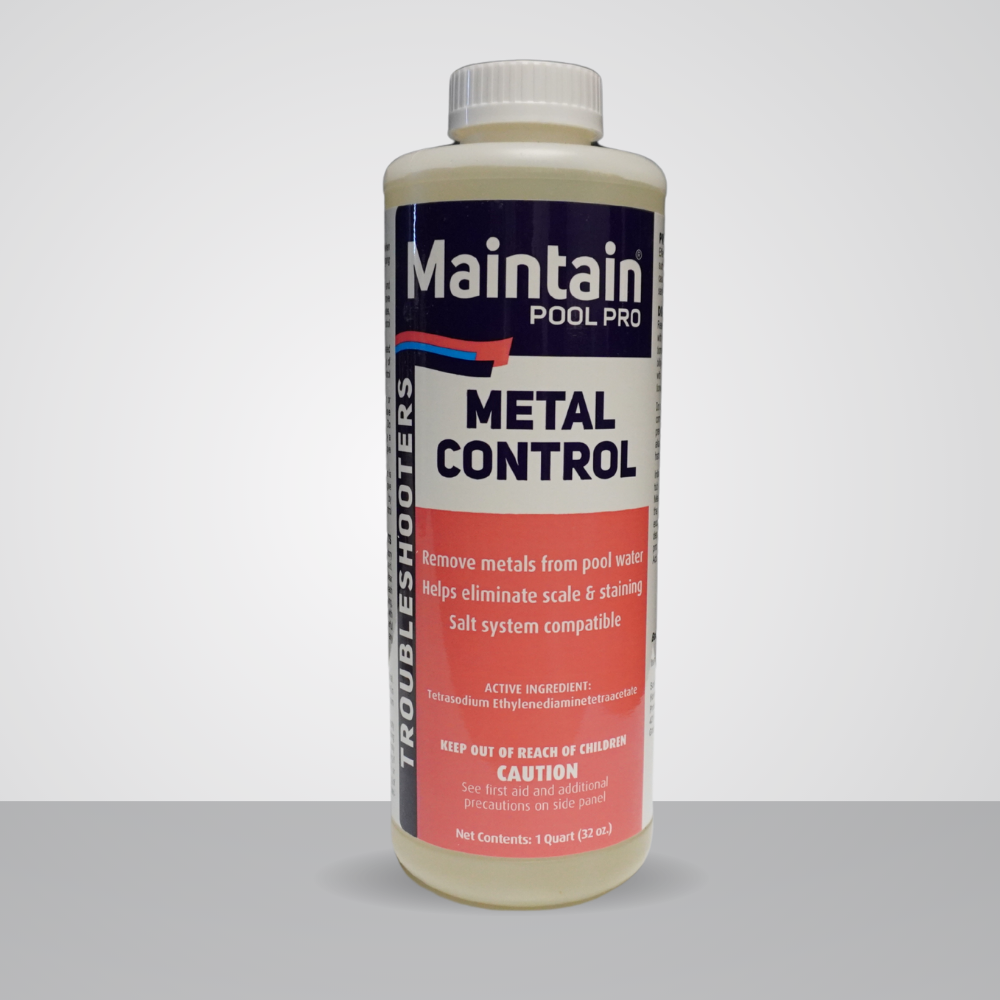
Add Metal Control using the instructions on the bottle.
A well-maintained saltwater pool offers a clean, comfortable, and cost-effective swimming experience. By following a simple weekly and monthly routine—and giving your system the attention it needs at the start and end of the season—you’ll enjoy reliable performance and sparkling water all summer long.
Want to see exactly which products you need? Visit your nearest Galaxy showroom for a free water test and to shop everything mentioned here.
Galaxy's design consultants can help you design the backyard or pool of your dreams. Please fill out the design form, and we will contact you to learn more about your project.
Speak with a Design Consultant
Book a free in-store design meeting for a limited time.
Galaxy Pool Spa Patio has convenient showrooms across Oklahoma, Western Arkansas, and Texas. Visit us today to experience our wide selection of products and exceptional customer service.
Yard Art is Now Part of Galaxy Backyard Leaders in Oklahoma and Arkansas since 1975.
Yard Art is now the home of Galaxy Pool Spa Patio. You'll find much of the same patio furniture you love, plus new hot tubs, pools, saunas, and much more! Come see us today in Prosper and Fort Worth!