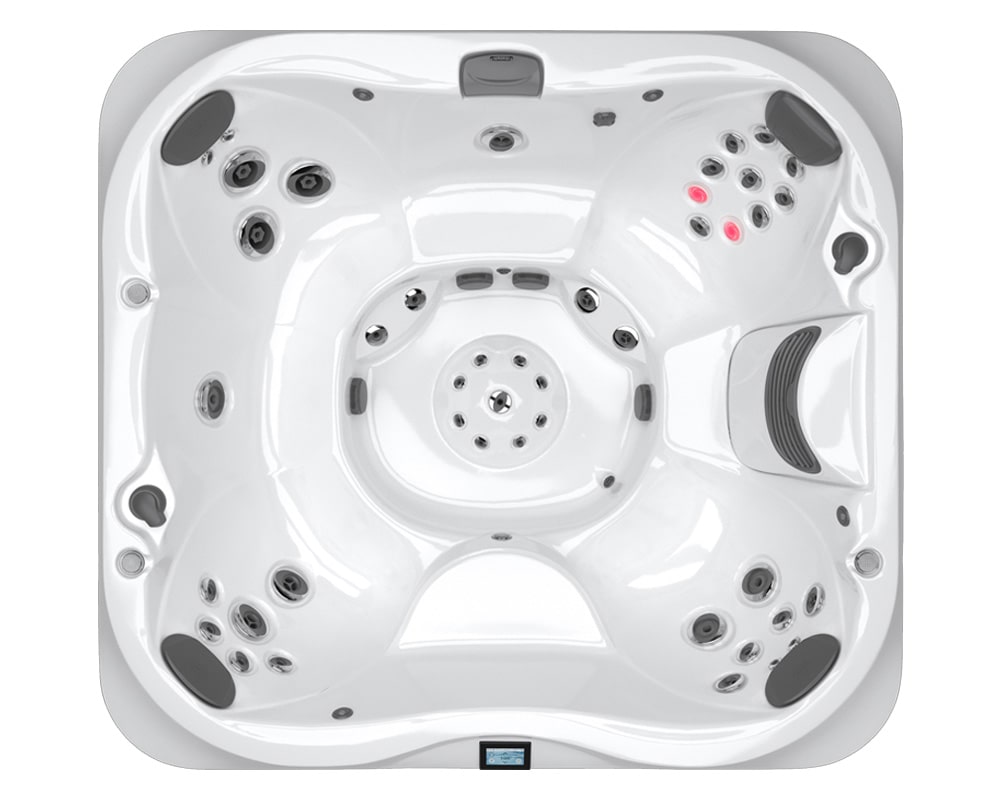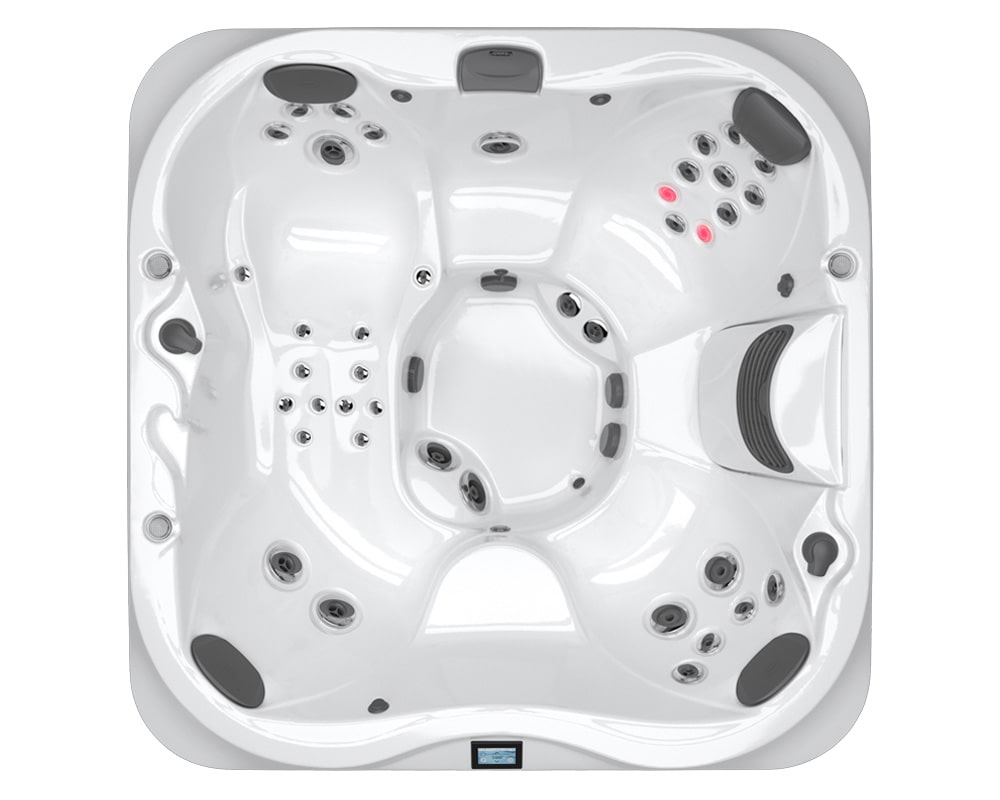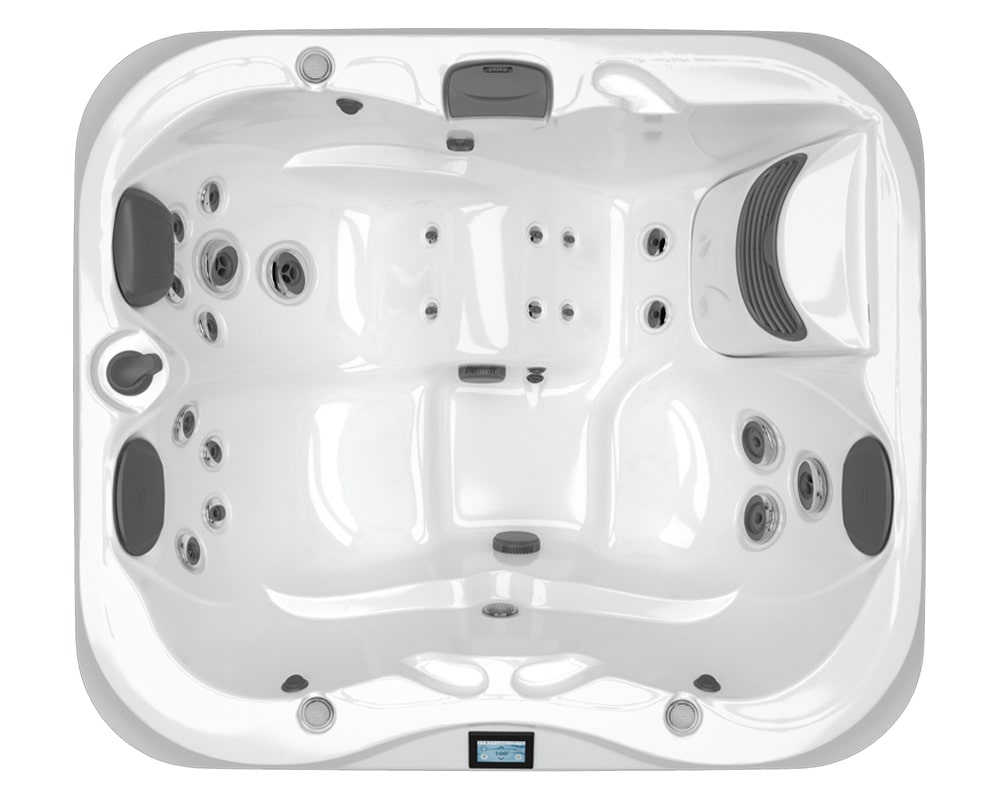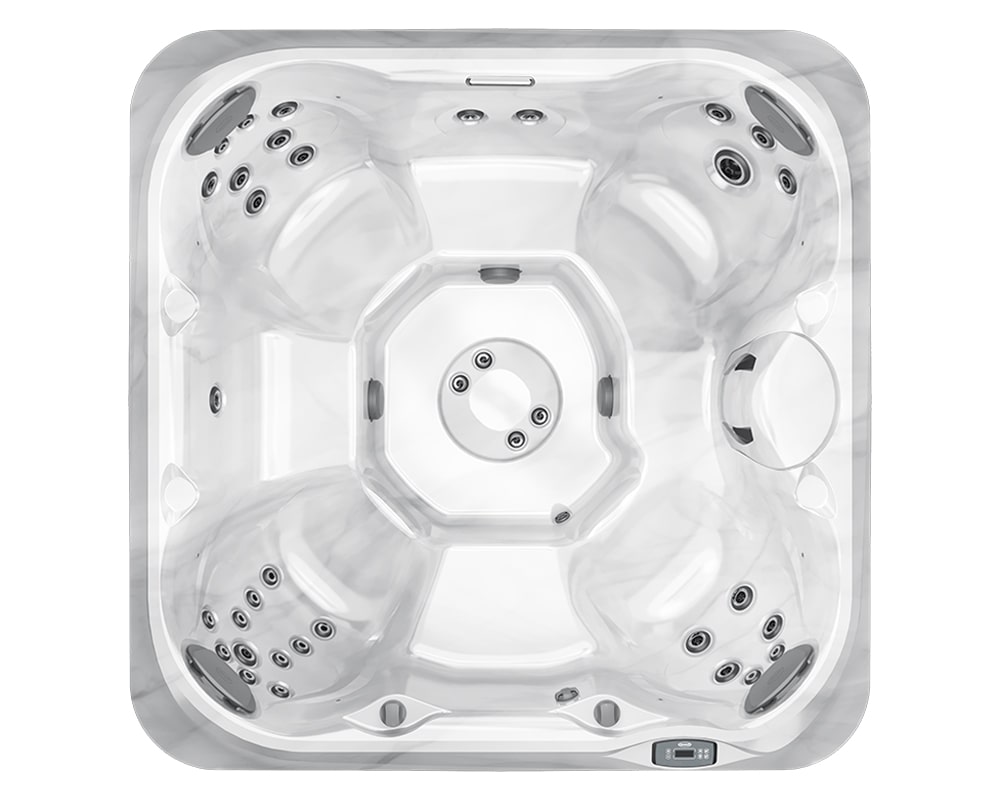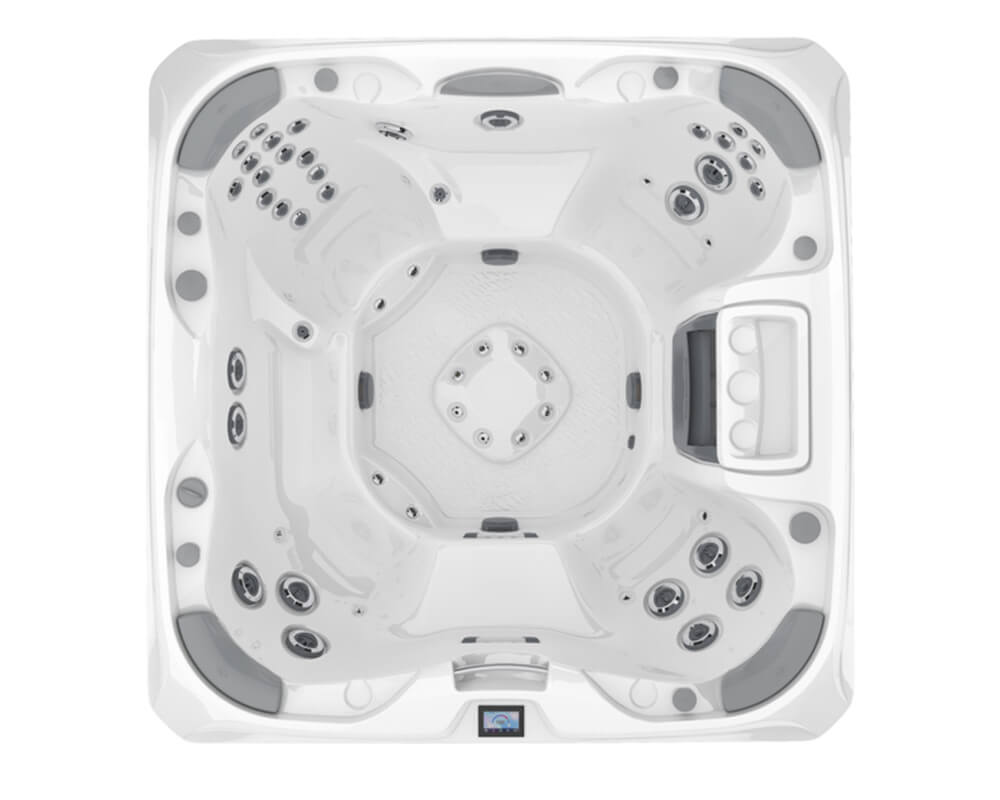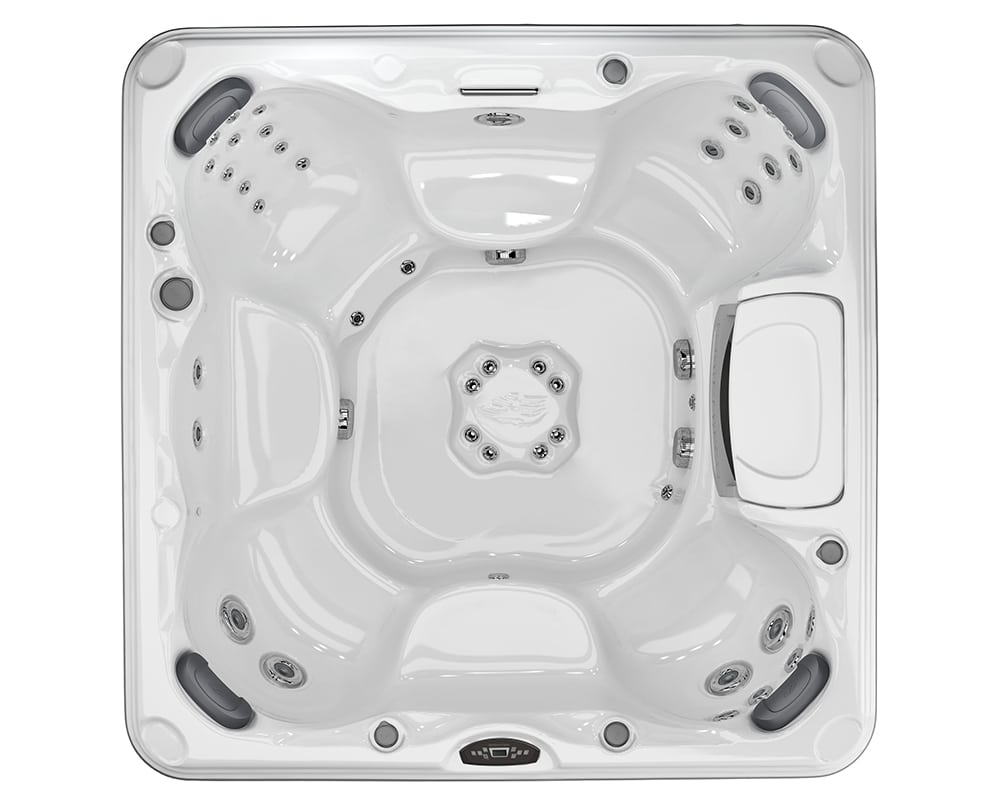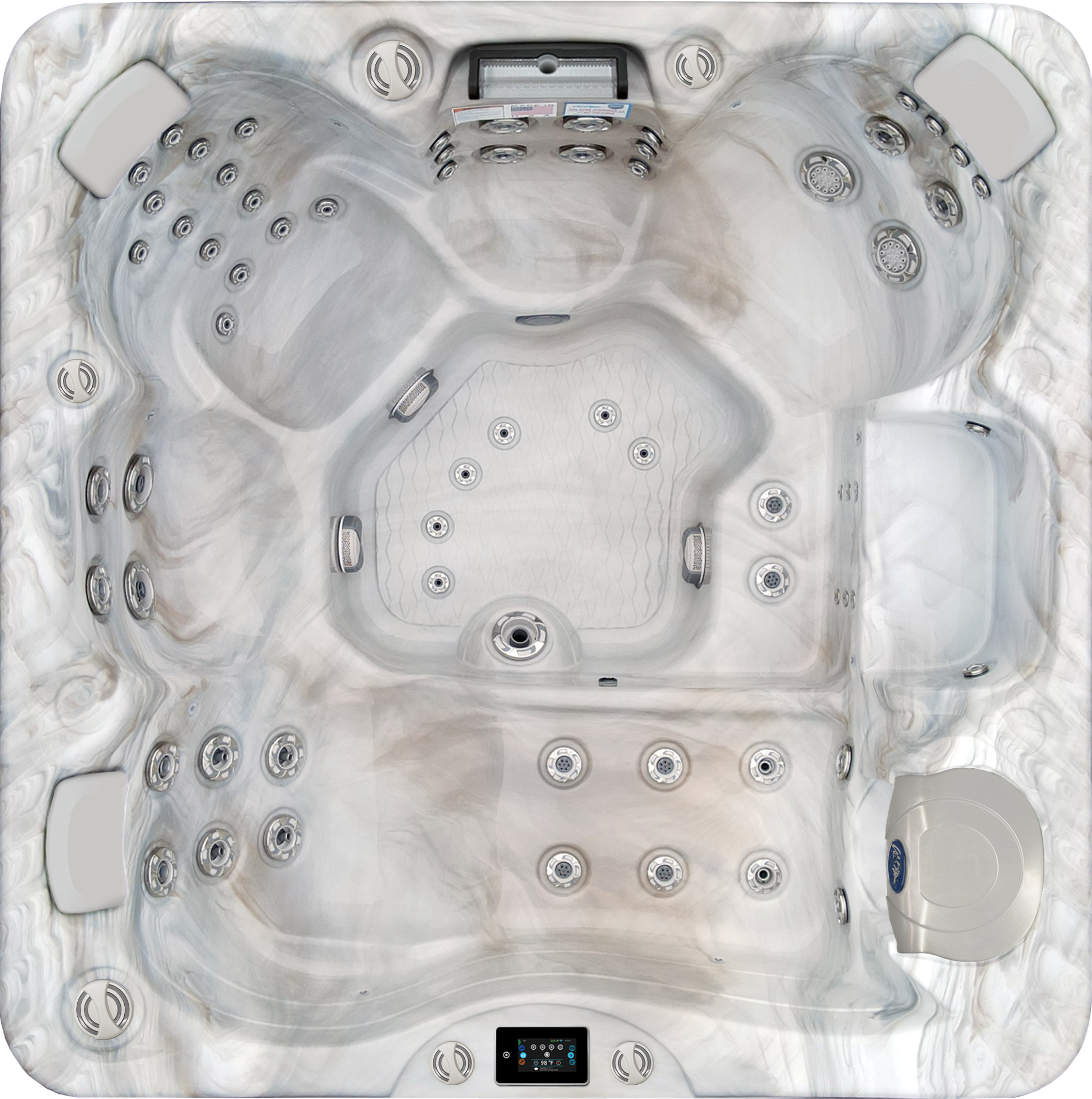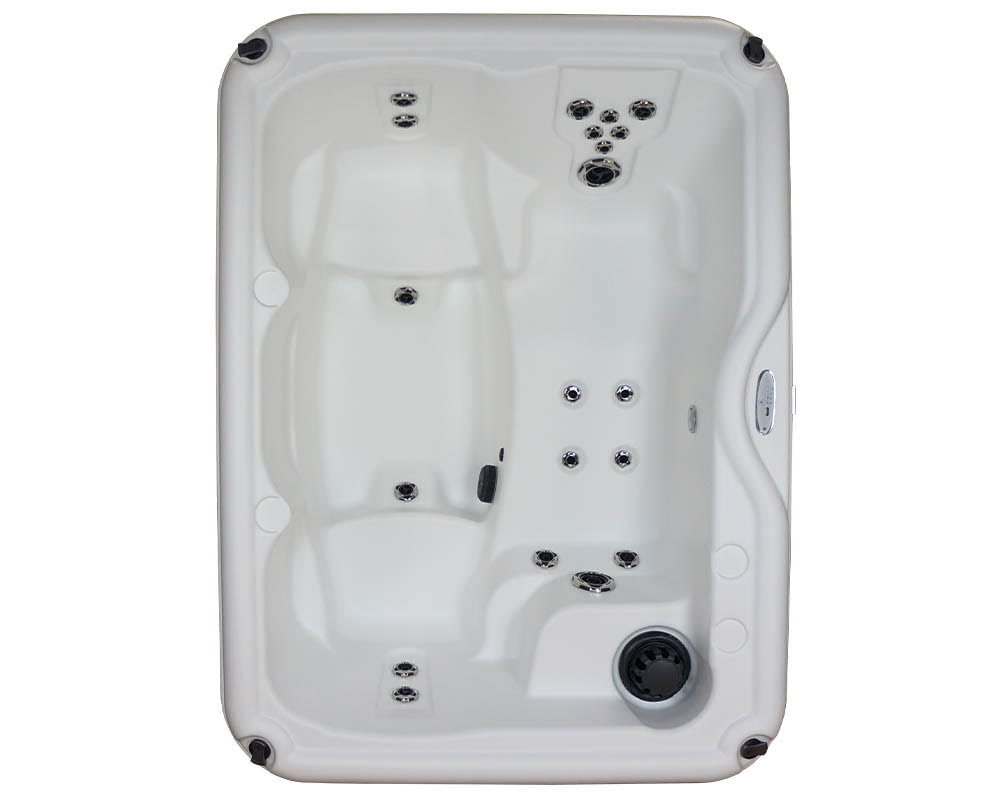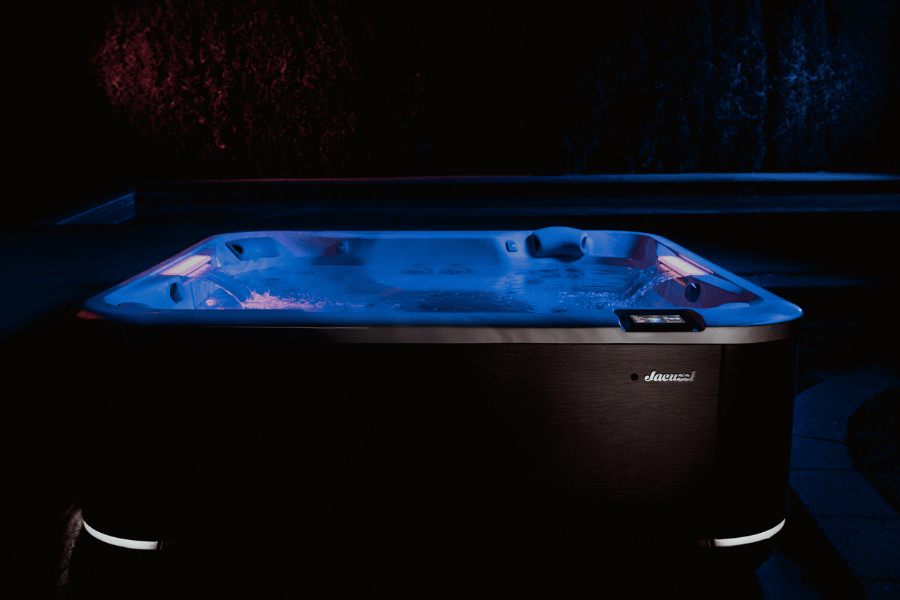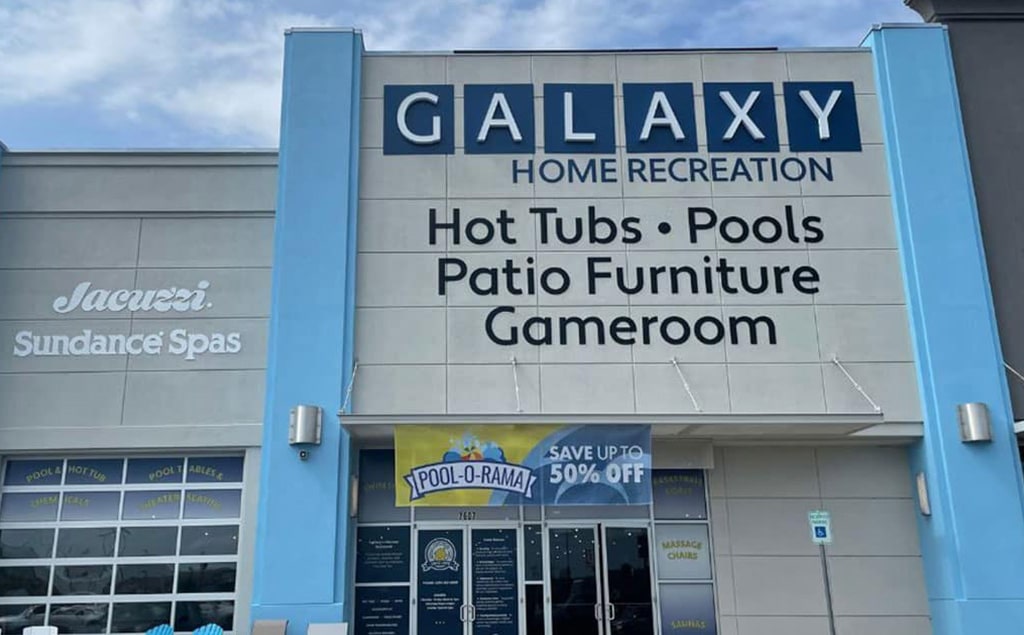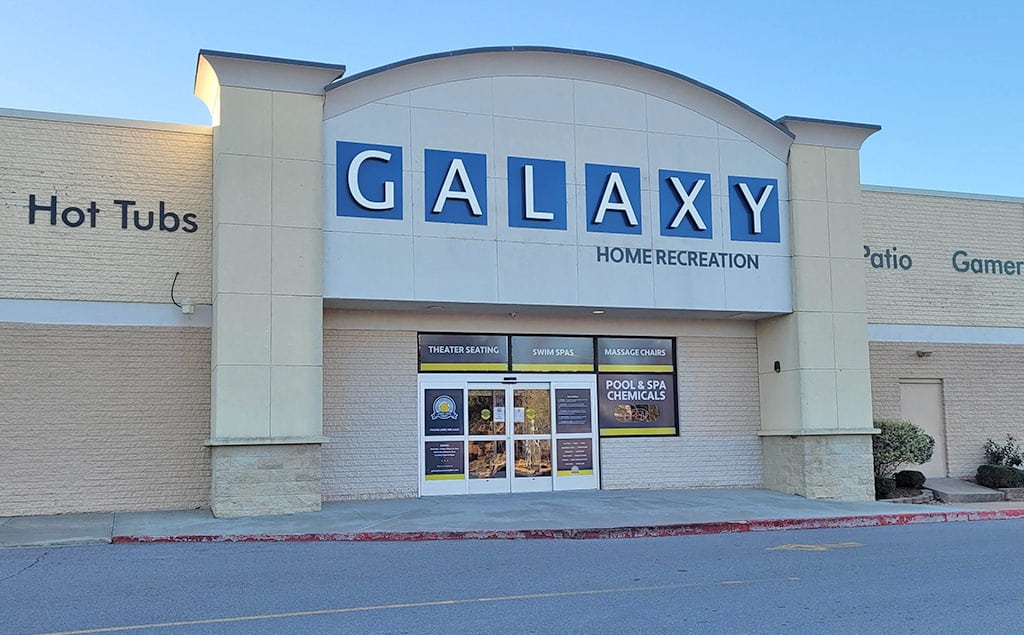

If you're researching hot tubs, our master hot tub guide has everything you need in one place. Learn how to choose the right hot tub size, compare features, understand costs, and know what to expect after installation.
Whether you're in Texas, Oklahoma, or Arkansas, this guide will help you find the perfect hot tub for your home.
Shop Hot Tubs
Find a Showroom Near You
How Do You Choose the Right Hot Tub?
Choosing a hot tub comes down to three questions:
- Who will use your hot tub?
- How often will they use your hot tub?
- What kind of experience do you want with your hot tub?
Start with the dealer and brand, then narrow down size, layout, and features.
Does the Hot Tub Dealer Really Matter When Buying a Hot Tub?
A hot tub is a long-term investment, and the dealer you buy from matters just as much as the brand you choose. From repairs to upgrades and replacements, a reliable local dealer keeps your spa running smoothly for years to come.
What Are the Best Hot Tub Brands to Consider?
Established brands typically offer stronger warranties, better energy efficiency, and longer lifespans. Most buyers only purchase a hot tub once or twice, so reliability and long-term support matter far more than short-term savings.
At Galaxy Pool Spa Patio, we carry trusted names like Jacuzzi® and Marquis brands that have been building hot tubs for over 60 years.
Some of the generally recognized top brands are:
- Jacuzzi®
- Sundance®
- Hotsprings
- Caldera
- Bullfrog
- Dimension One Spas
- CalSpas® Hot Tubs
- Nordic Hot Tubs™
- DreamMaker Spas
These brands have been in business for over 60 years, producing hot tubs worldwide and earning top awards annually for enjoyment and reliability.
Does The Construction of a Hot Tub Matter?
There are many factors to consider when choosing the best hot tub for you, and the construction of the hot tub ranks near the top.
Some of the questions you should ask your dealer about construction include:
- How many hot tubs does this manufacturer make annually?
- Where does the manufacturer make hot tubs?
- What standards does their manufacturing process adhere to?
- Does the hot tub manufacturer have patents?
- Are the hot tub parts proprietary, trusted 3rd party brands or generic?
- What does the hot tub look like “under the hood”?
- Is the bottom of the hot tub protected against the elements?
- What materials is the hot tub made out of?
Hot tubs are typically built from pressure-treated lumber, plastic, or steel. Lumber is the original standard, known for its durability and strength. Plastic is lighter but prone to warping in extreme temperatures and lacks structural integrity. Steel adds noise, invites rust, and can't flex under shifting weight.
The most established brands still use pressure-treated lumber for good reason: it remains the highest-quality option.
What’s the Difference Between Hot Tubs, Swim Spas, and Cold Plunges?
Not all backyard water features serve the same purpose, so it helps to know the differences before you start shopping. Hot tubs focus on relaxation and hydrotherapy. Swim spas combine exercise and relaxation in a larger footprint. Cold plunges are designed for recovery.
Hot tubs typically:
- Seat 2–8 people
- Hold 300–600 gallons
- Focus on relaxation and hydrotherapy
What Size Hot Tub Do You Need?
Hot tub size impacts comfort more than most buyers expect. It affects seating, jet layout, and how often you’ll actually use it.
Most hot tubs fall into these ranges:
- Small: 2–3 people
- Medium: 4–6 people
- Large: 6–8 people
Many buyers start small but later wish they had more space for stretching and multiple seating options.
Seating layout is another one of the biggest decisions you'll make when choosing a hot tub, and it affects comfort more than most people expect.
- Lounge seating supports full-body relaxation with jets that target your back, waist, calves, and feet. If you're on your feet all day or deal with leg fatigue, a lounger gives you that full stretch you'll look forward to every evening. Just make sure to sit in one at the showroom first, since comfort varies based on your height. Galaxy has locations across Texas, Oklahoma, and Arkansas where you can try both options in person.
- Open seating gives you more seats in the same size hot tub, a larger footwell, and more flexibility for different users. Many open seater models include a foot dome in the center so everyone still gets a foot massage. This layout is ideal if you plan to use your hot tub with family or friends regularly.
The best choice depends on whether you prioritize stretching out after a long day or having room for everyone to soak together. Either way, most models come in both configurations, so you don't have to compromise on size or features to get the seating style you want.
Visit any Galaxy showroom across Texas, Oklahoma, and Arkansas to try both options before you decide.
How Important Are Jets and Performance for Hot Tubs?
Jet count alone doesn't determine quality. In fact, many budget hot tubs advertise 70 to 120 jets but use the same two pumps as higher-end models with 35 to 60 jets. That means each jet gets significantly less power and volume, leaving you with a weak, pinpoint spray instead of real hydrotherapy.
What actually matters is strategic jet placement, larger nozzles for better muscle coverage, and quality plumbing that delivers the right water volume to each jet. Top-rated brands focus on fewer, better-placed jets paired with smart plumbing and reliable pumps. Some even offer bearingless jets with no moving parts, meaning less maintenance and fewer failures over time.
The best way to compare jet performance is to test them in person at your nearest Galaxy showroom.
How Much Does a Hot Tub Cost?
Hot tub pricing varies based on size, features, and build quality. Most fall between $5,000 and $20,000+, with additional costs depending on installation and setup.
What Does Hot Tub Delivery and Installation Cost?
Delivery typically ranges from $250 to $1,000. Complex installs, tight access, or crane use can increase costs.
If you're unsure about your setup, reach out to your nearest Galaxy showroom, and our team can walk you through your delivery options before you buy.
How Are Hot Tubs Delivered and Installed?
Hot tubs are heavy and require specialized equipment for safe delivery and installation. Most deliveries use a spa dolly, which holds the hot tub vertically and carts it to the desired location. Spa dollies need the width of the hot tub plus at least 6 inches of clearance. For example, a hot tub that is 38 inches tall requires 44 inches of free, unencumbered path. In some cases, a fence post may need to be temporarily removed to fit the hot tub into the backyard.
If the delivery path cannot accommodate a spa dolly, the hot tub can be craned over the house. Crane delivery typically costs between $300 and $1,500 depending on the distance and complexity. Discuss both options with an authorized retailer, especially if your backyard has HVAC systems, steps, or changes in elevation along the delivery path.
Do You Need a Permit for a Hot Tub?
Before purchasing, check with your homeowners association for any ordinances that may apply to hot tub installation. Your authorized retailer can help you identify any local requirements so there are no surprises on delivery day.
What Are the Electrical Requirements for a Hot Tub?
- 120V models are plug-and-play
- 220V models require a dedicated electrical setup
Larger hot tubs usually require higher voltage for performance and efficiency. Check our installation checklist for full details on your hot tub’s electrical requirements.
Where Should You Place a Hot Tub?
Where you place your hot tub affects how often you use it and how long it lasts. A stable, level surface is essential. Concrete is the most common foundation, but decking and spa pads can also work depending on your setup.
When planning hot tub placement, keep these factors in mind:
- Proximity to your home: The closer your hot tub is to your back door, the more you'll use it year-round
- Cover and protection: A covered patio reduces energy costs and extends the life of your hot tub cover
- Space around the hot tub: Steps, cover lifters, and service access all require extra clearance beyond the hot tub dimensions
- Delivery path: Make sure there's enough width for a spa dolly, typically the hot tub width plus at least 6 inches
Not sure if your space will work? Visit any Galaxy showroom across Texas, Oklahoma, or Arkansas and our team can help you plan placement before you buy.
What Weekly Maintenance Is Required for a Hot Tub?
Keeping your hot tub clean and safe doesn't take much time once you get into a routine. Since hot tubs only hold 300 to 500 gallons compared to 8,000+ for a pool, maintenance is measured in tablespoons, not pounds.
Here's what to stay on top of each week:
- Test your water balance: Use test strips to check pH (7.2 to 7.6), alkalinity (80 to 120), and hardness (100 to 400). You can also bring a water sample to any Galaxy showroom for a free digital test.
- Add sanitizer: Add chlorinating granules with the cover off and jets running, then wait 30 minutes before closing the cover. If you use a Spa Mineral Super Purifier, your free chlorine can stay as low as 1 PPM.
- Shock after each use: Add an oxidizing shock with the cover off and jets on. Wait 15 minutes before closing the cover.
- Add stain and scale inhibitor: A small dose each week helps protect your shell and equipment from buildup.
Galaxy Pool Spa Patio also offers free Hot Tub School on the third Saturday of every month at our showrooms across Texas, Oklahoma, and Arkansas, where our team walks you through water care step by step.
What Monthly and Seasonal Maintenance Is Needed for a Hot Tub?
Beyond your weekly routine, a few monthly and seasonal tasks keep your hot tub running at its best and help extend its lifespan.
- Clean your filters monthly: Spray filter cleaner on your filters, let it sit for three minutes, then rinse with a hose before reinserting. Inspect your filters annually and replace them if they show signs of wear.
- Drain and refill every four months: This is a great time to purge your plumbing lines with a jet cleaner to remove biofilm and buildup. Always refill through the filter compartment to prevent air from getting into the lines.
- Replace your Spa Mineral Super Purifier: Swap it out each time you drain and refill to keep your mineral sanitization working properly.
- Condition your cover: Apply a spa cover conditioner every three to six weeks to protect the vinyl. If your cover gets eight or more hours of direct sunlight per day, condition it monthly.
- Annual deep clean: Replace your UV bulb if applicable, purge your jets and lines, and inspect diverter valves. These small steps go a long way toward keeping your hot tub reliable year after year.
If you need filters, chemicals, or replacement parts, visit any Galaxy showroom across Texas, Oklahoma, or Arkansas, and our team can help you find exactly what you need.
How Much Does Hot Tub Chemical Maintenance Cost?
No matter which sanitization system you choose, you will need chemicals to maintain your hot tub. Expect annual maintenance costs to range from $250 to $1000, depending on your system.
Your water must stay balanced with proper pH and alkalinity levels. City water is generally well-balanced at the tap, while rural water may require additional chemicals or a water purifier to soften it. A good cover helps keep your water balanced between treatments.
Your hot tub also needs a free chlorine level between 1 PPM and 5 PPM depending on your sanitization system. Mineral purifiers are a popular natural option that keeps chlorine as low as 1 PPM. Chemical feeders are another common choice, dispensing and regulating the right balance of chemicals either automatically or manually. They can be integrated into the plumbing or designed to float in the water, such as the FROG @ease System. Brands like Artesian Spas, CalSpas, Caldera Spas, Hydropool Hot Tubs, Jacuzzi, and Sundance Spas offer compatible systems.
What Do Pumps Do in a Hot Tub and Why Do They Matter?
Pumps circulate water through the filter and heater and power the jets. A quality pump directly affects massage performance, water cleanliness, and energy efficiency.
Smaller hot tubs typically have a single dual-speed pump. Low speed handles filtration and heating, while high speed delivers full jet performance. Medium and larger hot tubs generally have two pumps, each controlling half of the jets. The first pump may also be dual-speed for filtration and heating. Higher-end models include massage selectors that let you redirect water between seats for a stronger hydrotherapy experience. When only one or two people are using the hot tub, you can run just one pump to save energy.
A popular upgrade is a circulation pump, which runs independently of the main pumps. Its job is to filter and heat the water using far less energy. Circulation pumps are much smaller, ranging from 1/20 to 1/8 horsepower, and move water at roughly 35 gallons per minute, compared to 150 gallons per minute from a main pump. That slower flow makes it easier for the heater and sanitizing system to do their jobs. Circulation pumps also reduce wear on the main pumps and improve overall energy efficiency. On higher-end hot tubs, they come standard.
Hot tub brands love to play the horsepower game, but a bigger pump does not mean a better massage. Pumps come from different manufacturers with different rating methods, so the numbers are not always comparable. The best way to judge massage performance is to feel the jets in person.
What actually drives performance is plumbing engineering and jet nozzle sizing. Most hot tubs use 90-degree elbows, which reduce water volume by the time it reaches the jets. Higher-end brands use 45-degree sweep elbows and a water manifold distribution system to deliver more water to each jet. Larger jet nozzles complete the delivery with higher volume and less pressure compared to smaller pin-point jets.

What Causes Cloudy Water or Foam in a Hot Tub?
Most hot tub water issues come down to one thing: an imbalance in the water. When your pH and alkalinity are off, your sanitizer and shock can't do their job, which often leads to cloudy water, foul odors, or foaming.
The fix is usually simple. Test your water with strips or bring a sample to any Galaxy showroom for a free digital test, then adjust your pH and alkalinity to get everything back in range. Once balanced, your chemicals can work the way they're designed to.
Foaming is another common concern, and it's usually caused by something that got into the water.
- Bathing suits washed with detergent: Soap residue transfers into your water and causes foam. Rinse your suits instead of machine washing, and keep a dedicated suit just for spa use.
- Lotions and makeup: These break down in hot water and create buildup. A quick rinse before getting in makes a big difference.
- Lake or beach swimwear: Suits worn in natural water carry bacteria, algae, and other particles that can throw off your water quality.
- Non-spa fragrances: Only use scents made specifically for hot tubs, as other products will cause foaming.
If your water is still hazy after balancing, add an oxidizing shock and run your jets with the cover open for 30 minutes. A water clarifier can also help your filter catch smaller particles. Staying on top of weekly testing is the easiest way to avoid these issues altogether.
What Are the Different Hot Tub Water Care Systems?
Hot tubs use a combination of filtration and sanitization to keep water clean and safe. No system is completely maintenance-free, but the right setup can significantly reduce the time and chemicals needed to maintain your spa.
Your hot tub's filtration system automatically circulates water on a programmed cycle, removing debris and keeping the water clean.
Beyond filtration, there are several sanitization options that work alongside your regular chemicals:
- Ozone: The most affordable option. Uses ozone gas to oxidize water and eliminate bacteria. Not rated as a full sanitizer, so it requires more chemical upkeep.
- UV sanitization: Recognized by the EPA as a sanitizer. Only requires 1 PPM of chlorine, making your hot tub essentially chlorine-free. Newer systems combine UV with ozone for even better results.
- Saltwater: Uses salt to produce chlorine within the water. Popular but can cause corrosion in the smaller hot tub environment over time.
- True: Harnesses trillions of oxygen nanobubbles to eliminate bacteria and germs within minutes, achieving the lowest chlorine levels on the market, as low as 0.5 ppm.
- Mineral purifiers: Use silver and copper to sanitize water naturally, allowing chlorine levels to stay as low as 1 PPM. Replace every four months when you drain and refill.
- Chemical feeders: Systems like the FROG @ease dispense sanitizer automatically, taking the guesswork out of daily water care.
Visit any Galaxy showroom across Texas, Oklahoma, or Arkansas to find the right system for your lifestyle.
What Is Ozone Water Care?
Ozone systems use ozone gas to oxidize your hot tub water, eliminating bacteria and other contaminants. They're the oldest and most affordable sanitization technology in the hot tub industry, with a lifespan of about three years.
Ozone is available across almost every major brand. However, ozonators are not rated as full sanitizers, so they require more hands-on chemical maintenance than UV or saltwater systems.
How Do Saltwater Hot Tub Systems Work?
Saltwater systems add salt to the hot tub water and automatically convert it into chlorine using an electrolytic cell. This reduces how often you need to manually add sanitizer.
Saltwater gained popularity thanks to its success in pools, but hot tubs are smaller environments with metal and equipment that can be more susceptible to corrosion over time. Saltwater also still produces chlorine, so it may not be the best fit if you're looking to reduce skin dryness or eye irritation.
What Is UV Sanitization for Hot Tubs?
UV systems use ultraviolet light to disrupt the DNA of bacteria and other microorganisms, making it impossible for them to reproduce. UV is recognized by the EPA as a sanitizer and only requires 1 PPM of chlorine, essentially making your hot tub chlorine-free.
The newest technology combines UV with ozone, sanitizing and oxidizing the water together for even cleaner results. UV systems cost more upfront but can dramatically reduce your ongoing chemical costs.
How Does Insulation Affect Hot Tub Energy Costs?
Insulation is the single biggest factor in hot tub energy efficiency. A well-insulated hot tub should cost less than $20 a month to operate in Texas, Oklahoma, and Arkansas climates. Shell thickness and a quality cover add additional R-value, but the insulation underneath the hot tub does the heavy lifting.
What Are the Three Types of Hot Tub Insulation?
Hot tubs use one of three insulation methods: full foam, partial foam, or no foam.
Full foam insulation surrounds the entire underside of the hot tub, similar to the cell foam insulation found in energy-efficient homes. Full foam models run the quietest, retain heat the best, and are the least likely to develop leaks. If a plumbing issue does occur, a technician will need to remove some foam to reach the lines, but trained professionals handle this routinely.
Partial foam insulates the plumbing lines without extending all the way to the cabinet. These models are now commonly paired with eco-wrap or insulation boards along the cabinet walls to improve heat retention. Testing shows that partial foam performs nearly as well as full foam in energy efficiency, and the setup provides technicians with easier access for service.
No-foam hot tubs reduce the upfront purchase price, but they cost noticeably more to operate each month, run louder, and are more prone to leaks without added insulation.

Which Hot Tub Insulation Is Best?
Full foam remains the gold standard for hot tub insulation. It offers the best combination of energy efficiency, noise reduction, and leak prevention. Partial foam with insulation boards is a strong alternative that balances performance with easier serviceability. No foam should be avoided if long-term operating costs and durability are priorities.
What Accessories Do You Need for a Hot Tub?
Hot tub accessories improve usability, safety, and long-term performance.
Common upgrades include:
- Cover lifters for easier access
- Steps for safe entry
- Covers for insulation and protection
- Shade and comfort add-ons
These additions help protect your investment and make daily use easier.
Where Can You Buy Hot Tubs in Texas, Oklahoma, and Arkansas?
Hot tubs are used year-round across Texas, Oklahoma, and Arkansas.
When buying locally, consider:
- Heat and evaporation in summers (especially Fort Worth and Prosper)
- Water hardness and mineral buildup
- Year-round energy efficiency
Galaxy Pool Spa Patio has showroom locations across:
- Fort Worth, Texas
- Prosper, Texas
- North Oklahoma City
- Norman, Oklahoma
- Tulsa, Oklahoma
- Northwest Arkansas
- Fort Smith, Arkansas
Each location provides product guidance, installation support, and ongoing service.
Most Popular Hot Tubs
Our most popular hot tubs are some of the best and most reliable options on the market. They have been tried and tested by numerous customers, and have proven to be the most popular and well-loved models.